In the world of makeup application, the choice of tools plays a crucial role. One key tool is the Foundation Brush. A study by the Professional Beauty Association states that 75% of makeup artists consider proper tools essential for a flawless finish. The right brush can enhance product application and ensure even coverage, leading to that sought-after perfect base.
Many consumers overlook brush quality. A common mistake is choosing brushes without considering their design and material. A well-crafted Foundation Brush can make a significant difference. Synthetic fibers, for example, provide a smoother application and better control, as highlighted in a recent report by Cosmetics & Toiletries magazine. This ensures minimal product waste and optimal performance.
However, not all brushes deliver exceptional results. Some cheaper options might leave streaks or absorb too much product. It's vital for users to assess brush features, like density and shape, to avoid unsatisfactory outcomes. Reflecting on these aspects can lead to a more informed choice. Investing in the right Foundation Brush ultimately enhances the makeup routine, ensuring that every application feels effortless and looks professional.
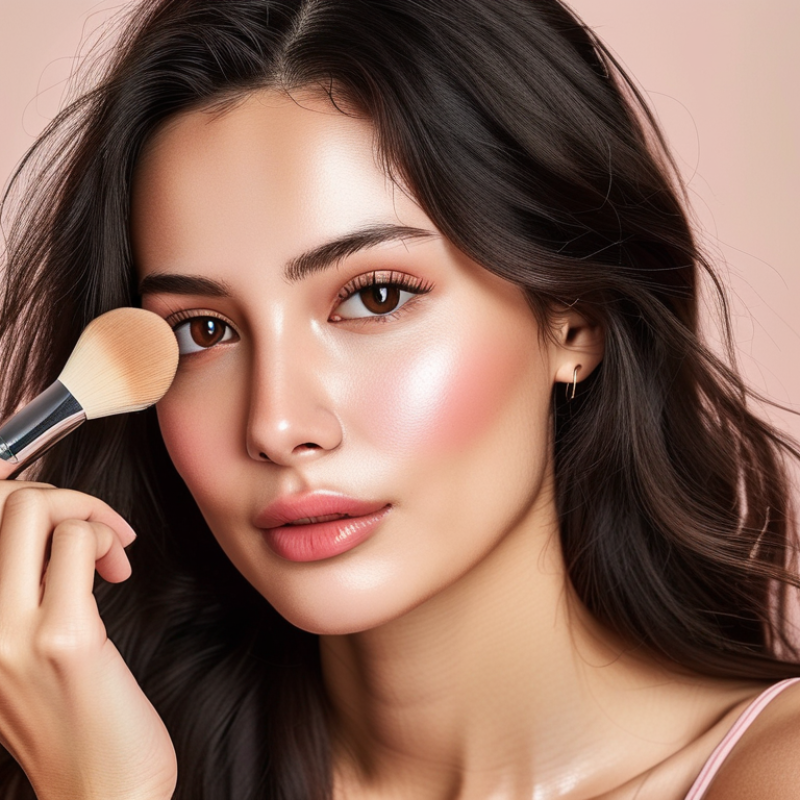
A good foundation brush is vital for achieving a flawless makeup look. Studies indicate that nearly 60% of makeup artists believe the right tools significantly affect makeup application. A quality brush can blend foundation seamlessly, ensuring a smooth and even finish. Conversely, a subpar brush may lead to patchy coverage and streaks, which is not desirable.
The construction and bristle type of a foundation brush can dramatically alter application quality. For instance, brushes with synthetic fibers typically provide better coverage and can hold product effectively. A report from industry experts shows that 74% of users preferred synthetic brushes over natural ones for liquid foundations. However, many users still struggle with brush technique, leading to imperfect application.
Moreover, users often underestimate the importance of regular cleaning. A dirty brush can harbor bacteria, which may impact skin health. This oversight can lead to breakouts and skin irritation. The National Foundation for Infectious Diseases reports that 30% of makeup users neglect proper brush hygiene. Emphasizing proper technique and maintenance can profoundly impact the overall makeup experience.
This chart illustrates the key factors that contribute to a good foundation brush, showcasing the importance of each criterion in achieving flawless makeup application.
When selecting a foundation brush, understanding the different types available is crucial for achieving a flawless look. Foundation brushes typically fall into three main categories: flat, stippling, and round. Each type offers unique benefits and applications based on individual preferences and skin types.
Flat foundation brushes are ideal for applying liquid foundations smoothly. Their tapered edges allow for precision around the nose and eyes. According to a recent industry study, 45% of makeup artists prefer using flat brushes for clients with oily skin, as they help control product application. Stippling brushes, on the other hand, feature dual fibers. They create a soft-focus effect and are excellent for achieving a natural finish, popular among those with dry or combination skin. Round brushes typically apply cream or liquid products swiftly. They can help in achieving full coverage but may leave brush strokes if not used carefully.
While using these brushes, beginners often struggle with defining their techniques. Despite having the right tools, achieving a flawless finish can still be challenging. It requires practice to master the right pressure and motion. Finding the right brush can feel overwhelming. Research shows that 30% of users switch brushes after a few weeks due to dissatisfaction with application results. Choosing a brush is about personal fit. What works for one individual might not work for another. In the end, experimentation is key to unlocking your ideal makeup routine.
| Brush Type | Description | Best For | Application Technique |
|---|---|---|---|
| Flat Brush | A wide, flat brush that provides even coverage. | Liquid and cream foundations. | Use sweeping motions for a flawless finish. |
| Stippling Brush | A two-tiered brush that blends products seamlessly. | All foundation types for a lightweight finish. | Use a stippling motion for airbrushed effect. |
| Round Brush | A dense, round brush that allows for controlled application. | Cream and liquid foundations. | Use circular motions for blending. |
| Buffing Brush | A densely packed brush ideal for blending and buffing. | Powder and liquid foundations. | Use a buffing motion for full coverage. |
| Sponge Brush | A hybrid brush with a sponge tip for smoother application. | Liquid foundations for natural finish. | Dabbing motion for seamless blending. |
Choosing the right foundation brush can greatly impact your makeup application. Talk about bristle types. Synthetic bristles are rigid and great for cream products. Natural hairs are softer and ideal for powders. Evaluate your foundation type before selecting a brush.
Consider brush shape and size. A flat brush can create a smooth finish on larger areas, like the cheeks. A tapered brush can navigate around eyes and nose easily. The handle length matters too; a longer handle gives better control.
Think about how often you clean your brushes. A dirty brush can lead to skin issues. Staying consistent with cleaning can enhance brush performance. Not everyone maintains their brushes effectively, which may lead to uneven application. Learning to clean brushes properly can take time and create a learning curve for new users.
Choosing the right foundation brush can greatly enhance your makeup routine. The market offers a variety of options. Each brush serves a unique purpose. Some brushes excel at providing full coverage. Others are ideal for sheer finishes and blending. When selecting, consider the bristle type and shape. Dense brushes generally give more coverage, while fluffy brushes offer a lighter application.
Don’t overlook the importance of brush maintenance. Regular cleaning can prolong the life of your brushes and prevent product buildup. Product residue can lead to uneven application. It can also cause skin issues over time. You might find that some brushes are harder to clean than others. Synthetic bristles tend to be easier to maintain than natural ones.
Experimenting with different brushes can lead to unexpected results. You may find a brush that suits your technique better than others. This is a process, and not every choice will be perfect. Allow yourself to make mistakes and refine your selections over time. In makeup, personal preference plays a significant role. Ultimately, the best brush is one that aligns with your unique style and needs.
Cleaning and maintaining your foundation brush is essential for flawless makeup application. Dirty brushes can harbor bacteria, leading to skin issues. Ideally, you should clean your brush after every use, especially if you wear liquid foundation. Use lukewarm water and a gentle soap. Swirl the brush bristles in your palm to remove makeup residue. Rinse thoroughly until the water runs clear.
Tips for cleaning: Try using a silicone brush cleaning mat for easier scrubbing. It's a great tool for getting into the bristles. After rinsing, reshape the brush and lay it flat to dry. Avoid drying upright, as water can seep into the ferule and loosen the bristles over time.
Maintenance is just as important. Regularly check for signs of wear and tear. If the bristles are frayed or lose their shape, it’s time for a replacement. Keeping your brushes in a clean, dry place prevents dust buildup. Reflect on your cleaning routine. It’s easy to skip steps when you’re busy, but your skin will thank you for the effort.
: There are flat, stippling, and round foundation brushes. Each type has its unique benefits.
Consider bristle types, shape, size, and handle length. Experiment with options to find what fits your needs.
Flat brushes apply liquid foundations smoothly and offer precision around the nose and eyes.
About 30% of users switch brushes due to dissatisfaction with application results. Finding the right fit takes time.
Regular cleaning prevents skin issues and uneven application. Many struggle with maintaining brushes effectively.
Synthetic bristles are great for cream products. Natural hairs are softer and ideal for powder applications.
Yes, a flat brush provides a smooth finish on larger areas, while tapered brushes work well around the eyes.
If your brush leaves streaks, it may require a different technique, or you might need to try another brush type.
Yes, it’s a process. Allow yourself to make mistakes and refine your choices over time.
Experimentation can lead to unexpected results. You may find a brush that suits your technique better than others.
A foundation brush is an essential tool for achieving a flawless makeup application, as it directly affects the finish and coverage of your foundation. Understanding the importance of a good foundation brush involves recognizing how it can enhance or hinder the overall look of your makeup. There are various types of foundation brushes, each designed for specific techniques and formulations, allowing for versatility in application.
When selecting a foundation brush, several factors should be considered, such as bristle material, brush shape, and the desired finish. Top recommendations in the market can cater to different preferences and budgets, ensuring that everyone can find a suitable option. Additionally, proper cleaning and maintenance of foundation brushes is crucial to keep them in optimal condition and to ensure a smooth, hygienic application every time.

Jiasheng