Choosing the best Toothbrush can feel surprisingly difficult. Store shelves display soft bristles, electric motors, compact heads, angled handles, and countless promises. Yet the most expensive option is not automatically the most effective.
A reliable choice should clean teeth gently, reach the gumline, and feel comfortable during daily use. Dental professionals commonly recommend soft bristles because firm brushing may irritate gums or wear enamel. A small head can also help reach crowded back teeth, especially around molars and braces. Electric toothbrushes may support consistent technique, while manual brushes remain practical, affordable, and effective when used properly.
Technique matters greatly.
Brush for two minutes, twice daily, using light pressure and short, careful movements. Replace the Toothbrush or brush head when bristles bend, usually every three months or sooner after illness. Personal experience also matters: a slippery handle, harsh vibration, or bulky head can make regular brushing unpleasant. That detail is easy to overlook.
Still, no single Toothbrush suits everyone. Someone with sensitive gums may need extra-soft bristles, while another person may benefit from a pressure sensor or timer. Evidence supports several designs, but product claims are not always equally trustworthy. Recommendations from qualified dental professionals and respected oral-health organizations offer stronger guidance than bright packaging.
This guide examines the main Toothbrush types, their practical strengths, and their limitations. It also considers comfort, cleaning performance, cost, and long-term habits. The “best” answer may be less exciting than expected: the brush you can use correctly and consistently often wins. Even that conclusion deserves regular review. Dental needs change.
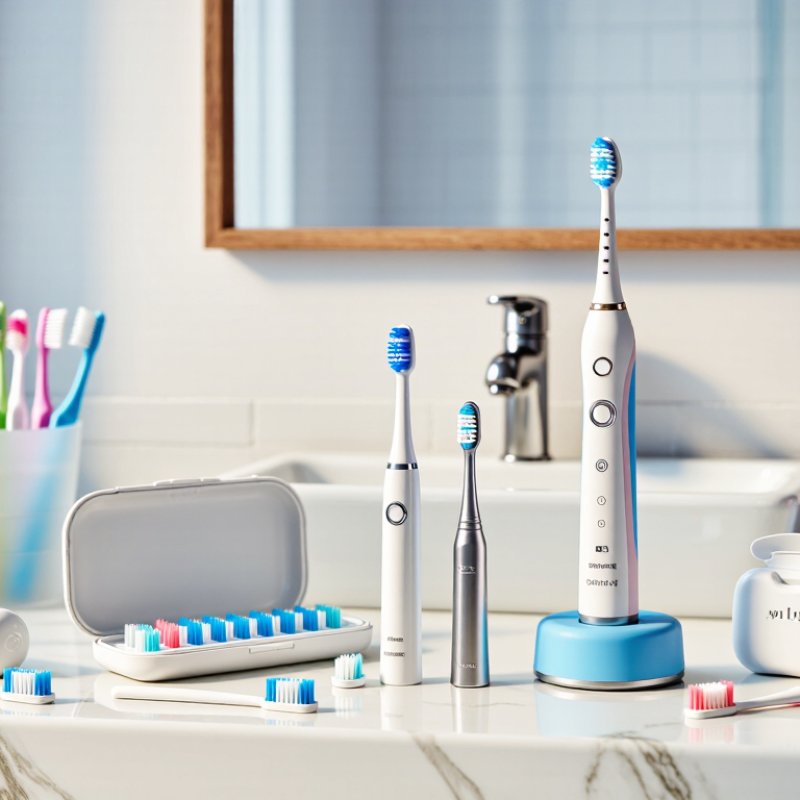
What Is the Best Type of Toothbrush?
What Makes a Toothbrush Effective?
An effective toothbrush cleans the gumline without scratching or irritating it. Soft, rounded bristles are usually the safest choice for daily brushing. Hard bristles may feel powerful, but pressure can wear enamel and make gums recede. A small brush head also helps reach behind molars and around crowded teeth. Your mouth should not feel bruised afterward.
Technique matters more than appearance. Hold the brush gently, like a pencil, and angle the bristles toward the gumline. Use small, controlled circles rather than aggressive back-and-forth scrubbing. Brush for about two minutes, covering the outer, inner, and chewing surfaces. An electric toothbrush can help people with limited dexterity or inconsistent timing, but a manual brush can work well with careful technique.
I used to press harder when my teeth felt unclean. That habit left my gums tender, so I had to rethink what “deep cleaning” meant. A clean mouth should feel fresh, not scraped. Replace a toothbrush when bristles spread, usually every three months, or sooner after illness if recommended by a dental professional. Toothbrush design matters, but comfort determines whether you use it correctly every day. Even the best brush cannot compensate for rushed brushing, missed gumlines, or ignoring persistent bleeding. Frequent bleeding deserves professional advice, not just a new toothbrush.
The most effective toothbrush is typically one with soft bristles, a comfortable handle, and a head that can reach all tooth surfaces. Manual and powered toothbrushes can both clean teeth effectively when used correctly. Dental guidance commonly recommends brushing twice a day for two minutes and replacing the toothbrush every three to four months, or sooner when the bristles become worn.
A manual toothbrush is affordable, portable, and easy to replace. With a soft, small-headed brush, you can clean around crowded teeth and along the gumline. Technique matters more than speed. Hold it gently, angle the bristles toward the gums, and use short, careful strokes for about two minutes.
I used to scrub harder, thinking my teeth would feel cleaner. My gums disagreed.
An electric toothbrush adds powered movement, which may help people with limited hand control, braces, or inconsistent technique. Clinical reviews generally find powered brushes can reduce plaque and gum inflammation slightly more than manual brushes. The difference depends on regular use, correct positioning, and a fresh brush head. Some models include pressure alerts and timers.
Helpful features. Not essential ones.
A manual brush gives clearer control over pressure and movement. An electric brush can make timing easier, but its vibration may feel uncomfortable at first. Neither option repairs cavities or replaces professional dental care. Ask a dentist if your gums bleed often, feel tender, or pull away from the teeth.
I still miss spots behind my lower front teeth sometimes, even with careful brushing. A small mirror check helps me notice them.
Replace a worn brush or brush head when the bristles bend, usually every three months or sooner.
What Is the Best Type of Toothbrush?
How Bristle Design Affects Cleaning and Gum Health
The best toothbrush is not always the most expensive one. For gum health, bristle design matters more than extra features. Soft, rounded bristles can remove plaque near the gumline with less scraping. Hard bristles may feel powerful, but excessive pressure can irritate gums and wear enamel. Dental professionals commonly recommend soft bristles for most adults. Individual needs still matter.
A compact head can reach behind molars and around crowded teeth more easily. Dense bristles clean broad surfaces, while tapered bristles may slide gently between teeth. Some brushes combine both designs, but comfort should guide your choice. If the bristles bend outward quickly, you may be pressing too hard. A quiet, light touch often cleans better than aggressive scrubbing.
I used to brush harder when my teeth felt unclean. My gums sometimes looked red afterward. That habit made me reconsider what “clean” should feel like. Now, I use small circular movements and spend extra time along the gumline. I also check the brush after each use. Frayed bristles suggest replacement, usually every few months or sooner. A toothbrush cannot clean every tight space, so flossing or interdental cleaning may still be necessary. Even careful routines can have weak spots. Recognizing them is part of improving daily oral care.
How bristle design affects cleaning performance, comfort, and gum health
| Bristle Design | Typical Cleaning Reach | Gum Comfort | Best Use | Potential Limitations | Overall Guidance |
|---|---|---|---|---|---|
| Soft, end-rounded bristles | Good for removing plaque from tooth surfaces and along the gumline when used with gentle, controlled strokes. |
Excellent Less likely to cause irritation when brushing pressure is controlled. |
Most adults and children, including people with sensitive gums or a history of gum recession. | Excessive pressure can still irritate the gums and wear tooth surfaces. Soft bristles do not replace careful technique. | Generally the preferred everyday option because it balances effective plaque removal with good gum protection. |
| Extra-soft bristles | Gentle cleaning of accessible surfaces; may require more deliberate brushing to remove plaque thoroughly. |
Very high Particularly comfortable for tender, inflamed, or healing tissues. |
People with marked sensitivity, gum soreness, recent oral procedures, or exposed tooth roots, when appropriate. | Bristles can bend easily and may be less efficient if the brush is used with very light contact or poor technique. | A useful comfort-focused choice, but professional advice may be appropriate when gum inflammation persists. |
| Medium bristles | Can feel more vigorous on broad tooth surfaces, but greater stiffness does not automatically mean better plaque removal. |
Moderate More likely to feel harsh if brushing pressure is high. |
Limited situations where an oral-health professional specifically recommends them. | Increased stiffness may contribute to gum irritation or toothbrush-related abrasion, especially with forceful horizontal scrubbing. | Usually not the first choice for routine daily brushing; soft bristles are generally safer for gum health. |
| Hard bristles | May feel effective on the tooth surface, but stiffness does not compensate for inadequate brushing technique. |
Low Greater potential for discomfort and mechanical irritation. |
Rarely needed for routine oral hygiene. | Can increase the risk of gum trauma and abrasion of exposed root surfaces when used with pressure. | Generally avoid for everyday brushing unless specifically directed by a dental professional. |
| Tapered or ultra-thin filament tips | May reach slightly into narrow spaces around the gumline and between teeth, but cannot replace interdental cleaning. |
High Thin tips can feel gentle when the brush is not forced into the gums. |
People who want a softer feel around the gumline or have difficulty tolerating thicker filaments. | Tip design alone does not guarantee improved plaque removal, and bent filaments may clean less effectively. | A reasonable feature to consider within a soft-bristle brush, especially when comfort and gumline access are priorities. |
| Multi-level or angled bristles | Different bristle heights may contact uneven tooth surfaces and the gumline from more than one angle. |
High to moderate Comfort depends mainly on bristle softness and brushing pressure. |
People who find it difficult to position a conventional flat-trim brush around crowded or uneven teeth. | A complex pattern does not ensure better cleaning if the brush is moved too quickly or used with excessive force. | Can be helpful for access, but softness, correct size, and technique are more important than an elaborate pattern. |
| Dense or closely packed soft bristles | Provides broad contact with tooth surfaces and can clean effectively with gentle short strokes. |
High A dense soft head may feel cushioned, provided it is not pressed aggressively. |
Adults seeking broad coverage and people who prefer a gentle brushing sensation. | A large or crowded head may be harder to maneuver around back teeth and along the gumline. | Effective when paired with a compact, manageable head and careful attention to hard-to-reach areas. |
Practical takeaway: For most people, a soft-bristle toothbrush with end-rounded filaments and a head small enough to reach the back teeth is a sound everyday choice. Brush twice daily for about two minutes using gentle pressure, clean between the teeth separately, and replace the toothbrush or brush head when the bristles become visibly worn or approximately every three to four months.
The best toothbrush is the one that fits your mouth, habits, and gum sensitivity. For most people, a small-headed brush with soft, rounded bristles cleans effectively without damaging gum tissue. Dental professionals generally advise against hard bristles and forceful scrubbing. They can cause irritation and gradually wear tooth surfaces.
A manual toothbrush works well when you use gentle, two-minute strokes along the gumline. An electric toothbrush may help people with limited hand movement, braces, or inconsistent brushing habits. Some models include pressure alerts, which are useful if your gums often feel tender after brushing. I once brushed too aggressively because my teeth felt “cleaner” afterward. That feeling was misleading. My gums became sore, and lighter pressure worked better.
Your choice may need to change with your needs. A compact head can reach crowded back teeth, while orthodontic users may prefer bristles designed around brackets and wires. People with sensitive teeth should ask a dentist about brushing technique and suitable fluoride toothpaste. Replace the brush when bristles bend, usually every three months or sooner after illness. Rinsing it thoroughly and storing it upright helps it dry between uses. However, no toothbrush fixes skipped brushing, poor technique, or untreated dental problems.
A soft-bristled toothbrush is usually the safest choice for daily cleaning. It can remove plaque without harshly scraping the gumline. The American Dental Association recommends brushing twice daily for two minutes. Hold the brush at about a 45-degree angle toward the gums. Use small, gentle circles instead of forceful back-and-forth strokes. Heavy pressure feels productive, but it may irritate gums and wear enamel over time.
Divide your mouth into four sections. Spend roughly 30 seconds on each area, including the outer, inner, and chewing surfaces. Keep the handle light in your hand. I still rush the back teeth sometimes, especially when mornings feel crowded. That habit deserves correction. A timer can expose those missed seconds. After brushing, rinse the brush thoroughly and store it upright, where it can air-dry. Avoid covering a wet brush, because trapped moisture may encourage microbial growth.
Replace the toothbrush every three to four months, or earlier when the bristles bend, spread, or feel rough. The recommendation comes from the American Dental Association. Children may need replacements sooner because they often chew the bristles. A 2014 Cochrane review of 56 clinical trials found powered toothbrushes reduced plaque by about 21% and gingivitis by 11% after three months. However, technique remains important. A sophisticated brush cannot repair careless habits. If brushing causes persistent bleeding or pain, seek advice from a dental professional rather than simply changing brush types.
Both can work well. A soft manual brush is affordable and portable. An electric brush may help with timing and consistent movement.
Studies suggest powered brushes may reduce plaque and gum inflammation slightly more. Correct positioning and regular use still matter greatly.
Choose soft bristles with a small head. They clean near crowded teeth without harshly scraping the gums.
Hold the brush gently at about a 45-degree angle. Use small circles along the gumline. Avoid forceful back-and-forth scrubbing.
Brush twice daily for about two minutes. Divide your mouth into four sections. Spend roughly 30 seconds on each section.
Yes. Heavy pressure may irritate gums and wear enamel over time. I used to scrub harder, but that habit needed correction.
Replace it every three to four months. Replace it sooner when bristles bend, spread, or feel rough.
Rinse it thoroughly after brushing. Store it upright and let it air-dry. Avoid covering a wet brush.
Persistent bleeding, tenderness, or pain deserves professional dental advice. Changing brush types alone may not solve the problem.
No. A toothbrush removes plaque but cannot repair cavities. Even an advanced brush cannot replace professional dental care.
Choosing the best Toothbrush depends on how effectively it removes plaque while protecting the gums. An effective toothbrush should have a comfortable handle, a head that fits easily in the mouth, and soft, durable bristles that can clean along the gumline without causing unnecessary irritation. Manual toothbrushes are simple, affordable, and useful when guided with proper technique, while electric toothbrushes may provide consistent brushing movements and helpful timing features. Neither option is universally best; the right choice depends on personal comfort, brushing habits, oral sensitivity, and individual cleaning needs.
Bristle design also plays an important role. Soft, rounded bristles are generally suitable for gentle cleaning, while different shapes and densities may help reach between teeth and around uneven surfaces. To use a toothbrush properly, brush all tooth surfaces with gentle, controlled motions for about two minutes, and avoid pressing too hard. Rinse it thoroughly, store it upright so it can air-dry, and replace it when the bristles become worn or approximately every few months.

Jiasheng