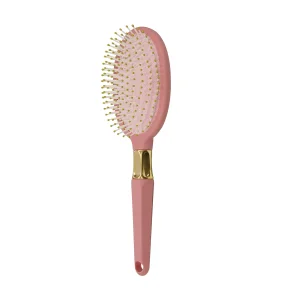
Analyzing B2B supply chains, active ingredient integration, and the critical role of precision applicator systems in the global skincare landscape.
The global moisturizers market has transitioned from basic hydration formulations to highly advanced biological delivery systems. Sourcing managers now require customized emulsions that incorporate active ingredients such as hyaluronic acid, ceramides, and bio-peptides. The efficacy of these formulations is highly dependent on their stability during application, making custom containers and dedicated application heads critical component considerations.
Moisturizers and cosmetic products are strictly monitored under FDA, GMPC, and EU Cosmetics Regulations. B2B enterprise procurement has shifted toward integrated OEM/ODM manufacturing models that guarantee absolute traceability. Modern brands look for singular partners capable of handling both the high-viscosity product packaging and the precise skin-application tooling simultaneously, minimizing cross-border regulatory complexities.
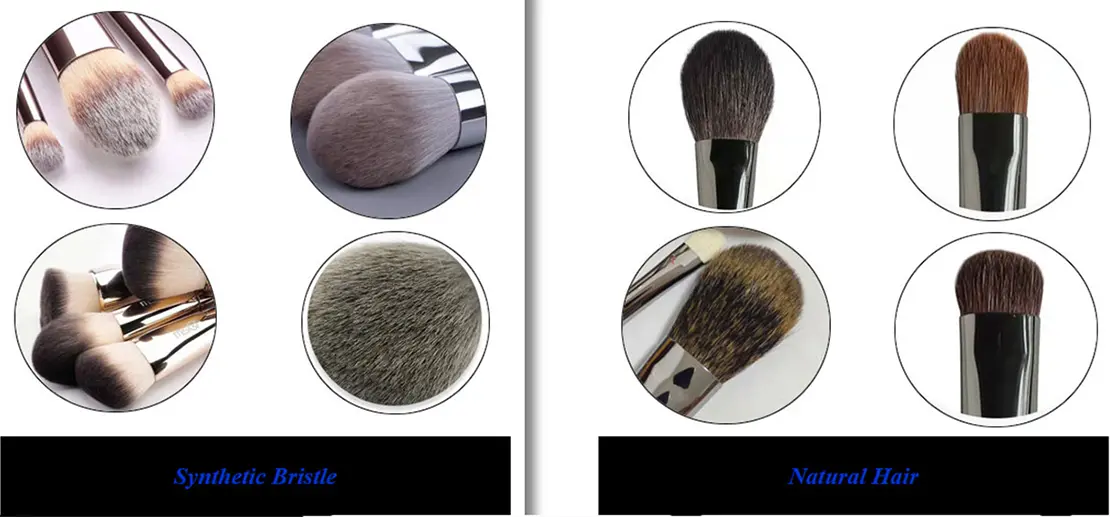
Touchless and brush-assisted cosmetic application is experiencing an unprecedented surge. Traditional hand application of luxurious moisturizers risks contaminating the remaining formula and degrading sensitive botanical extracts. The integration of high-grade synthetic bristles and antimicrobial PBT/PA filaments in application brushes preserves formula integrity, provides gentle exfoliating properties, and optimizes absorption rates for the consumer.
How downstream manufacturing integration and high-capacity synthetic filament extrusion yield competitive cost advantages for global brands.

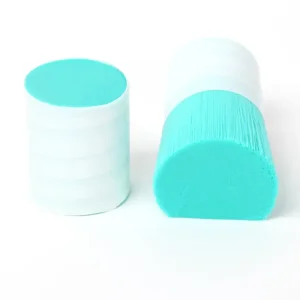
China-based cosmetic and tool factories command global efficiency by maintaining control over the raw material stage. By extruding custom PA610, PA612, and PBT filaments in-house, factories eliminate the markup margins of middle-tier materials suppliers.
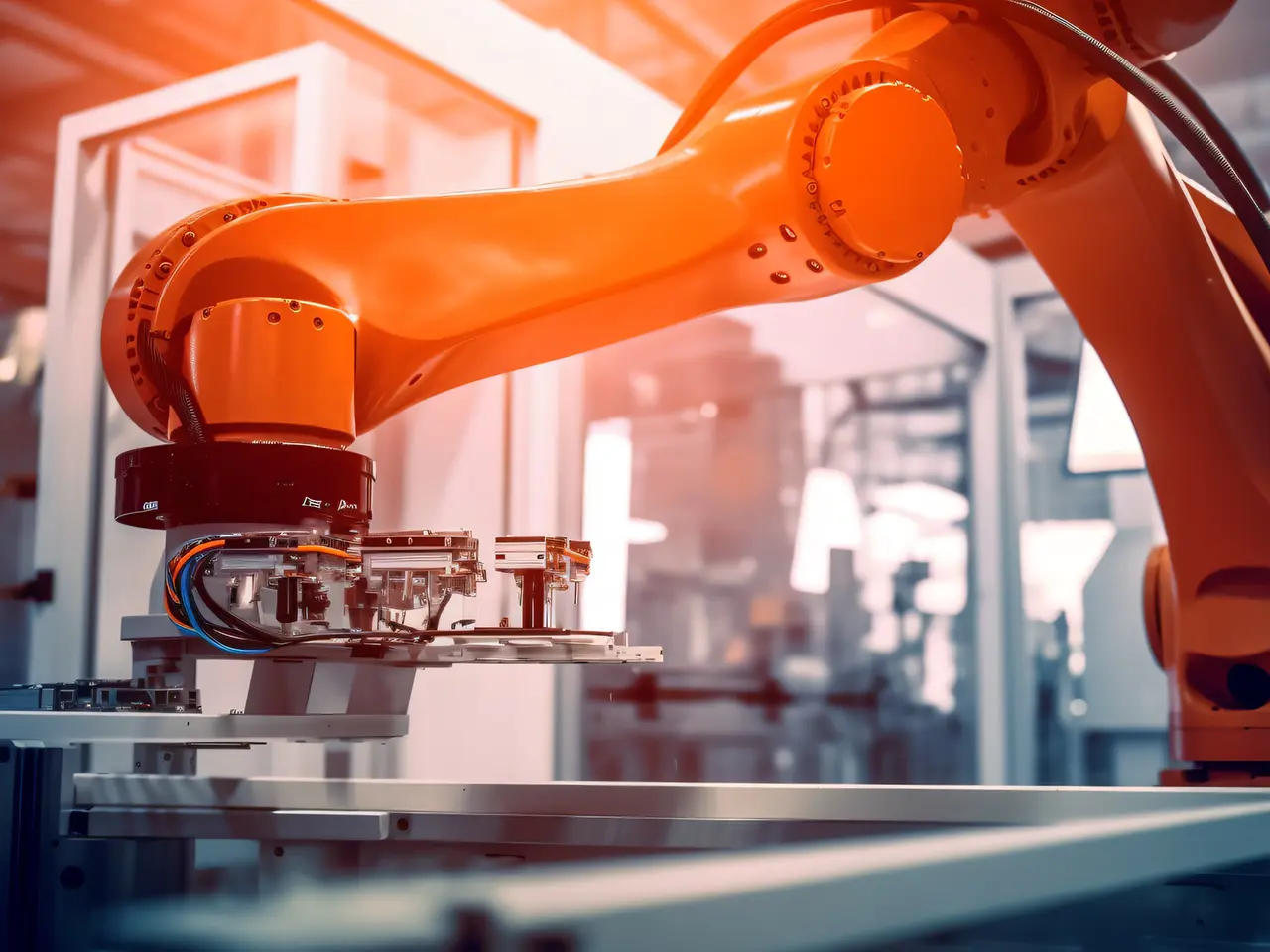
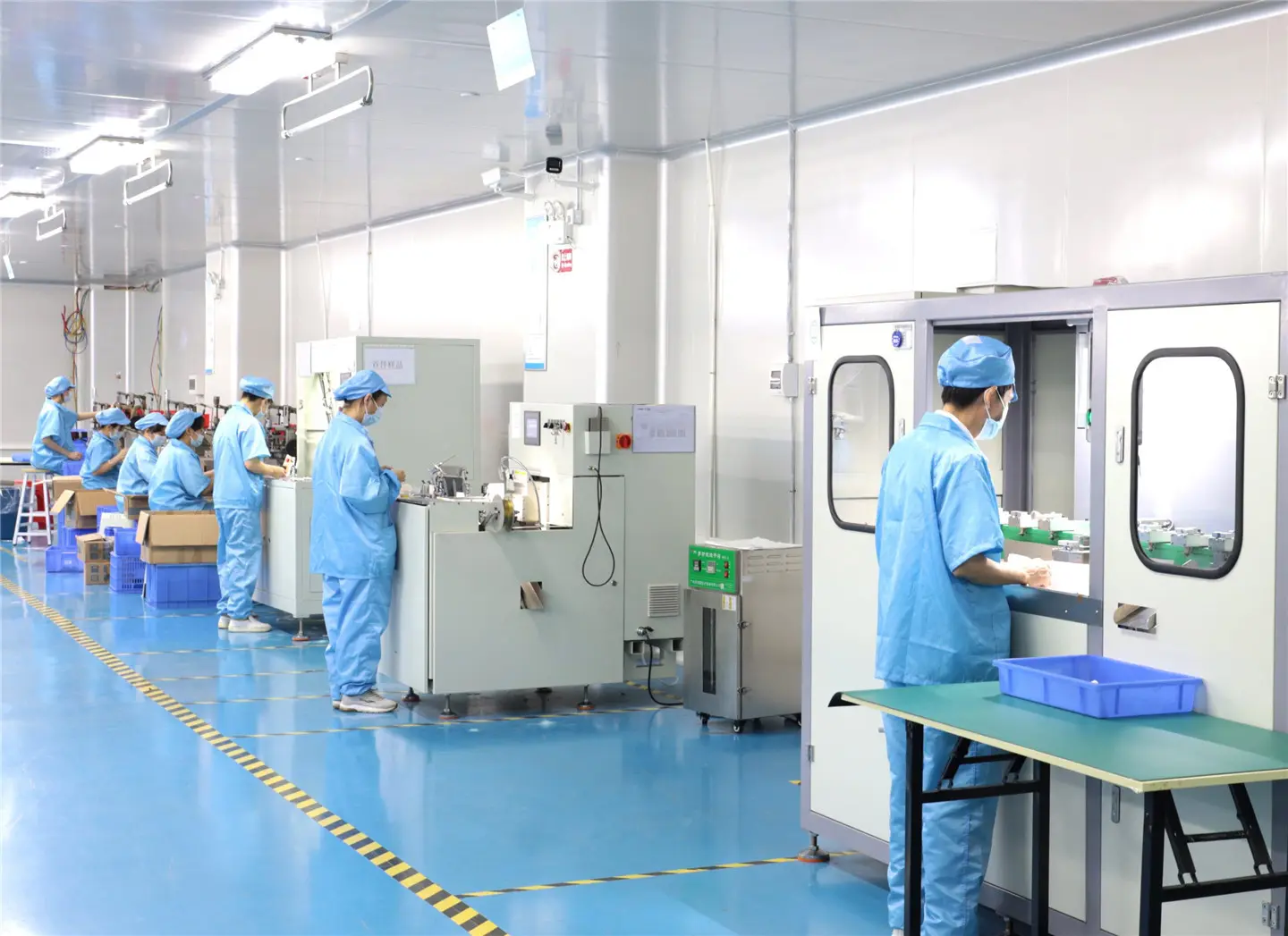
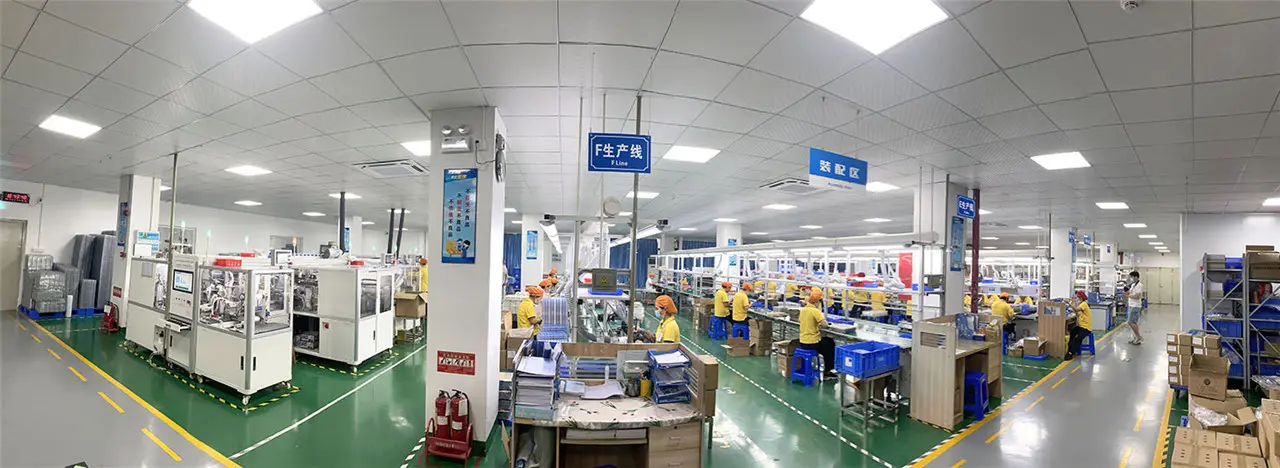
Our integrated manufacturing approach couples raw filament production directly with automated assembly lines for cosmetic applicators, moisturizer brush mechanisms, and custom handles. This streamlined framework allows brands to expedite prototyping phases from several months down to just 14 business days, significantly reducing time-to-market constraints for high-demand seasonal launches.
State-of-the-art machinery ensures consistent mechanical tolerances for components, housing, and structural brush bodies.
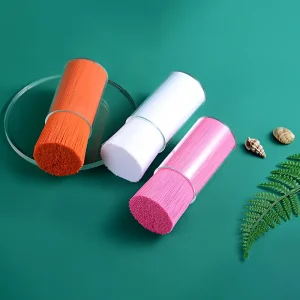
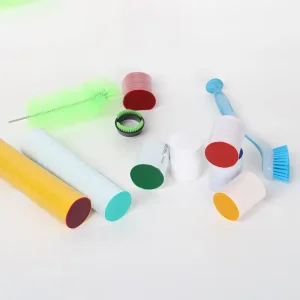
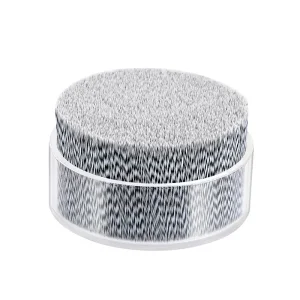
Direct production of standard, wave, and spiral filaments ensures high flexibility in physical stiffness and chemical resistance configuration.
A technical guide for procurement managers selecting material specs for skin-contact brush components.
| Filament Material Type | Chemical & Moisture Resistance | Skin Comfort Rating | Typical Skincare Applicator Application | Sustainability Status |
|---|---|---|---|---|
| PA610 (Nylon 610) | High (Low moisture absorption) | Excellent (Soft feel) | Premium facial massagers & moisturizer sweepers | Plant-derived (Sebacic acid base) |
| PA612 (Nylon 612) | Superior (Maintains shape wet) | Premium soft touch | High-viscosity lotion and heavy cream spreaders | Long-life durable plastic alternate |
| PBT (Polybutylene Terephthalate) | Outstanding chemical resilience | Firm and elastic | Exfoliating brushes, micro-bubble cleansing heads | Fully recyclable polymer |
| Biodegradable Filaments | Medium (Requires dry storage) | Soft, gentle sensation | Clean beauty disposable applicators | 100% compostable & microplastic-free |
Different markets and demographics require highly differentiated physical interfaces. Explore how our custom designs fit target environments.
Clinical settings demand tools that can withstand chemical sterilizations (autoclaving) without shedding or degrading. For post-treatment moisturizers and barrier repair creams, high-hygiene silicone spatulas or customized PA612 ultra-soft brushes are critical to preventing patient infection while maximizing cream coverage.
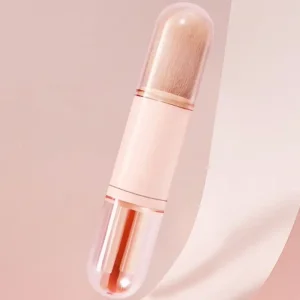
Modern consumers seek modularity. Small, convenient beauty brushes (such as 4-in-1 tools) equipped with customizable product chambers allow moisturizers, foundation, and powders to be applied on the go, utilizing limited space with maximum efficiency.
Clean beauty formulations containing active botanical extracts demand eco-conscious packaging. Deploying FSC-certified wood handles and biodegradable filaments for moisturizer brushes aligns the applicator's physical presence with the product's natural philosophy, attracting environmentally conscious consumer demographics.
The beauty and personal care industry is entering a phase of rapid transition. Sourcing policies are no longer based entirely on unit cost; sustainability metrics and geopolitical supply chain stability have become defining parameters for enterprise buyers.
Moisturizer applicators are incorporating battery-powered sonic vibrations. This technology micro-disperses moisturizer formulas into the skin pores, elevating absorption efficiency by over 40% compared to typical manual rubbing.
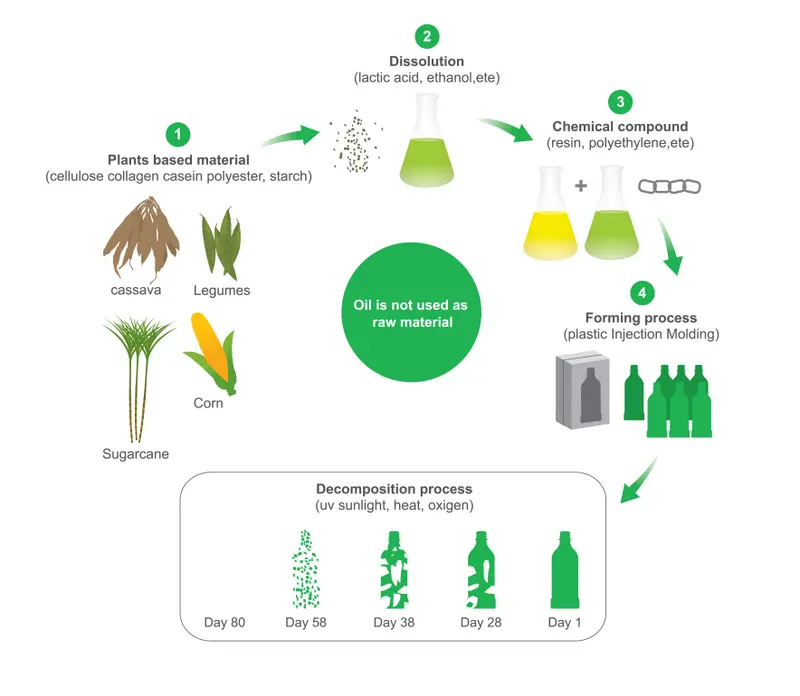
In response to global plastic pollution and strict environmental regulations, modern factories are shifting to ocean-bound recycled plastics and starch-based PLA alternatives, reducing the reliance on virgin fossil-fuel resins.
To insulate brand partners against tariff volatility, forward-looking manufacturers are shifting to a multi-base supply model. Establishing production centers in regions such as Thailand and Vietnam ensures reliable tariff mitigation and smooth logistics.
Shenzhen Jiasheng Industrial Co., Ltd. was established in 1991. At the beginning of its establishment, we mainly produced synthetic filaments, which were widely used in hair brushes, toothbrushes, makeup brushes, false eyelashes and other fields. After years of research and development, we have accumulated rich experience in the performance of filaments and the development and application of new materials.
Because we want to get closer to consumers and understand the market needs in depth so that materials can be used more widely, in 2008 we joined forces with downstream manufacturers to start the production of hair brushes, toothbrushes, makeup brushes, and finished false eyelashes.
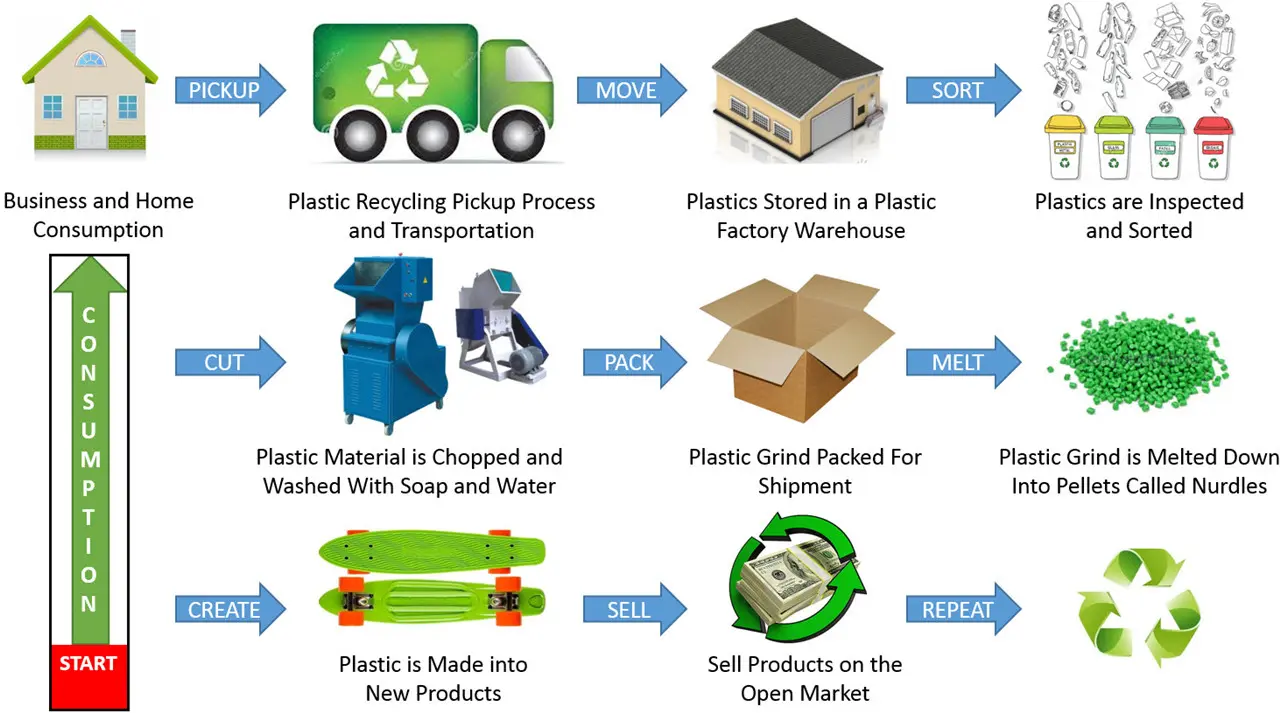
As plastics pollute the environment increasingly, we are also looking for ways to continuously improve the service life of our products and continue to increase the use of recyclable, degradable and other environmentally friendly materials.
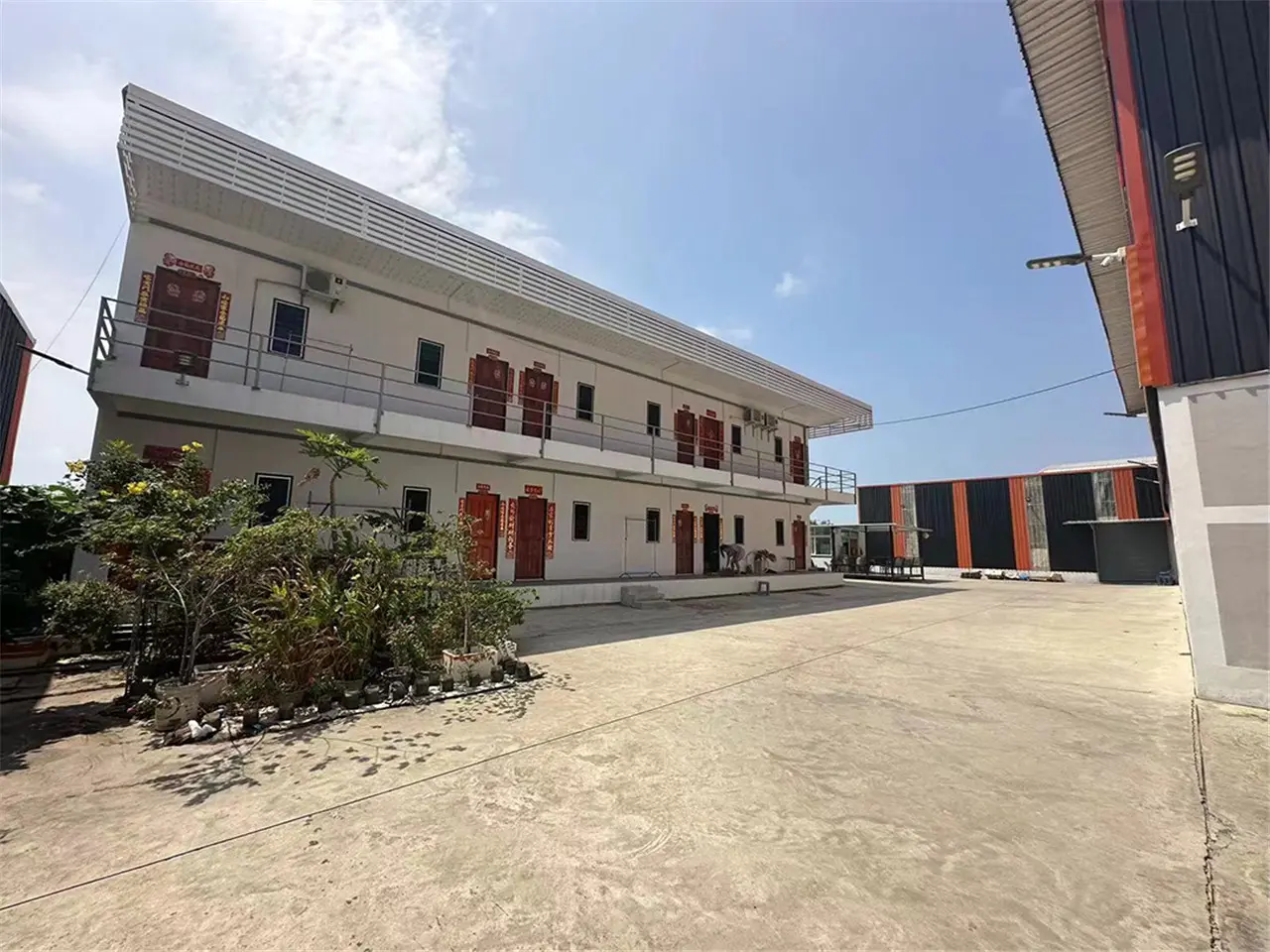
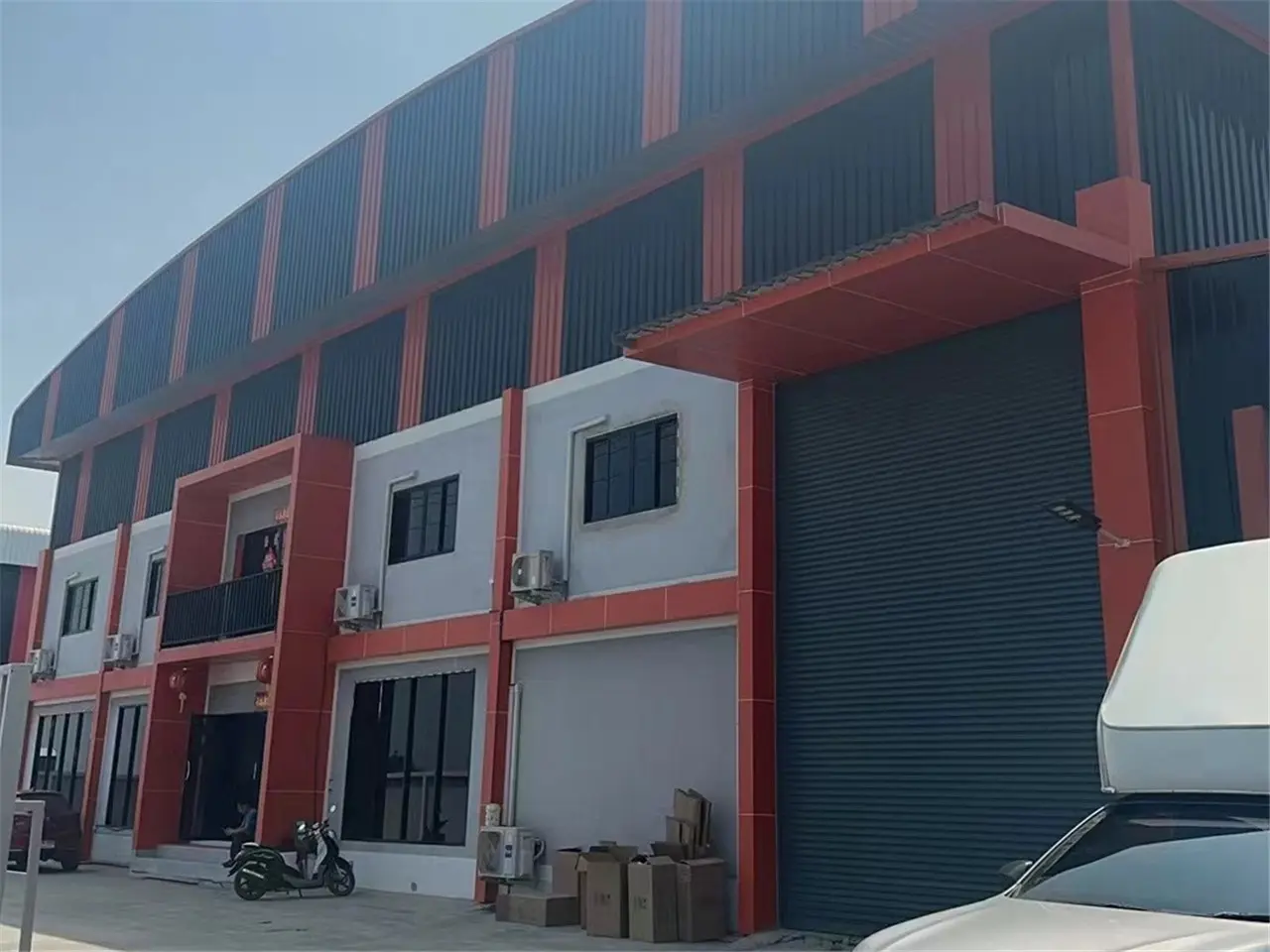
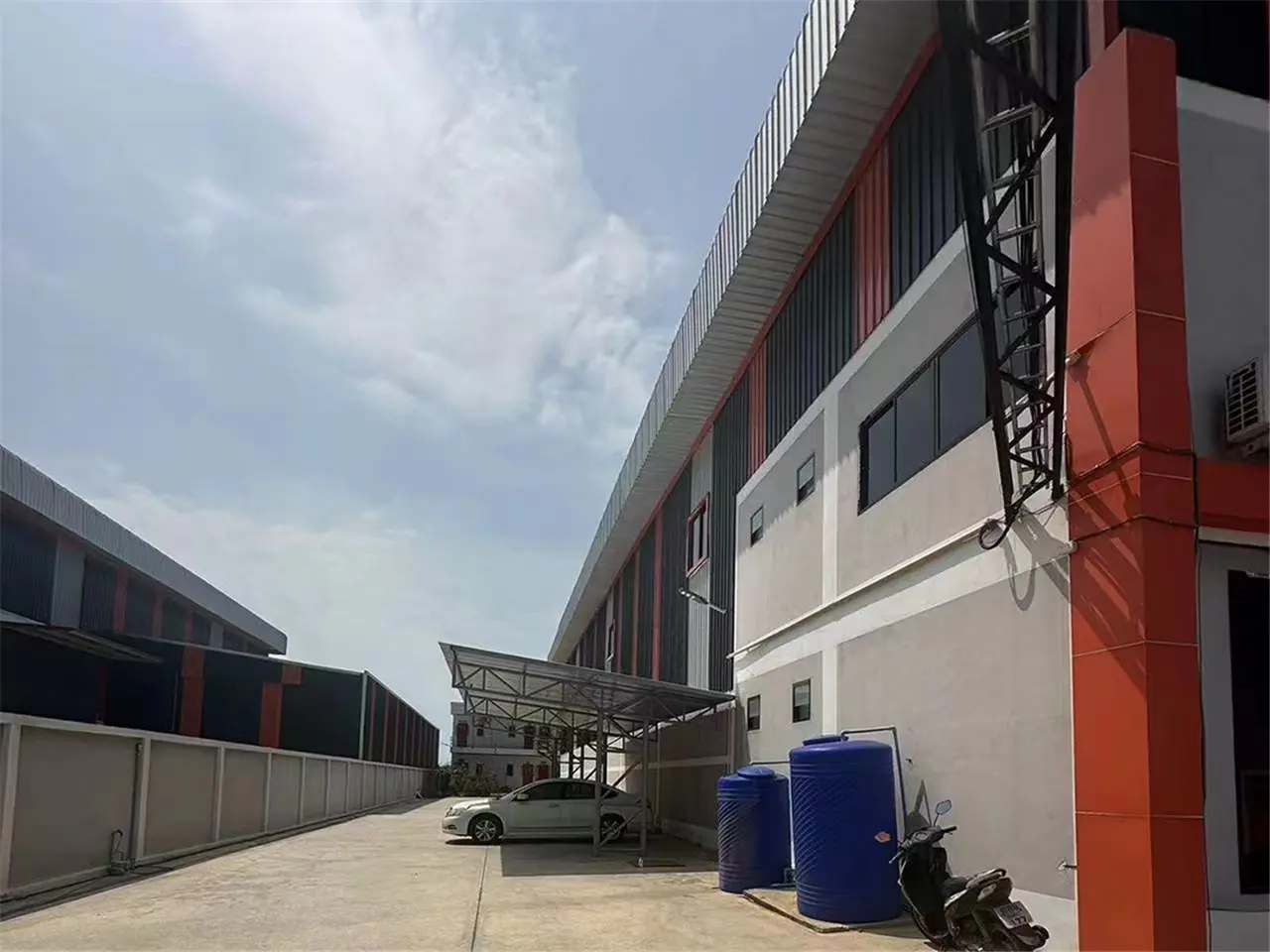
In response to the impact of global geopolitical uncertainties and trade barriers, we have begun preparing to build production bases in Thailand and Vietnam in 2024 to achieve global production capacity and security.
We integrated the production of materials and finished products so that we can better control quality, cost and production efficiency, and more easily achieve innovation and application.
In response to environmental sustainability, we continue to explore the application of recycling and biodegradable materials.
We provide multi-level deeply customized services to meet the distinct branding and engineering needs of global buyers.
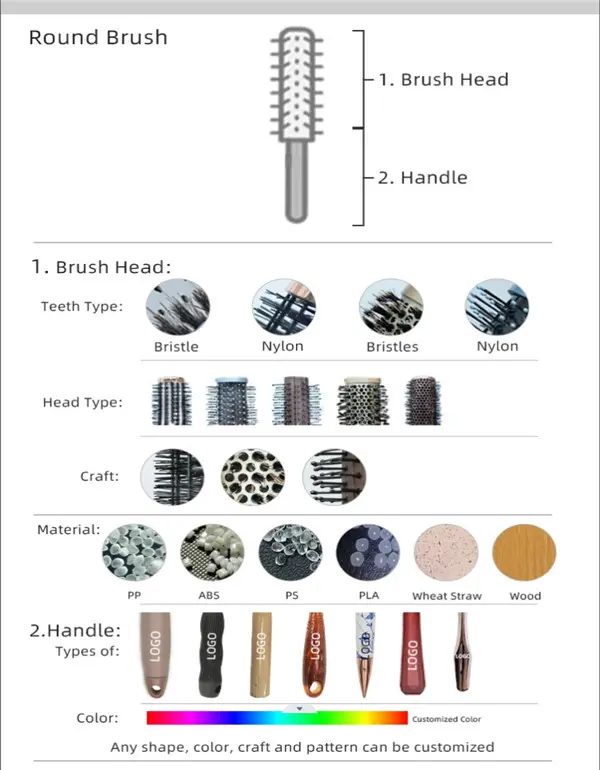
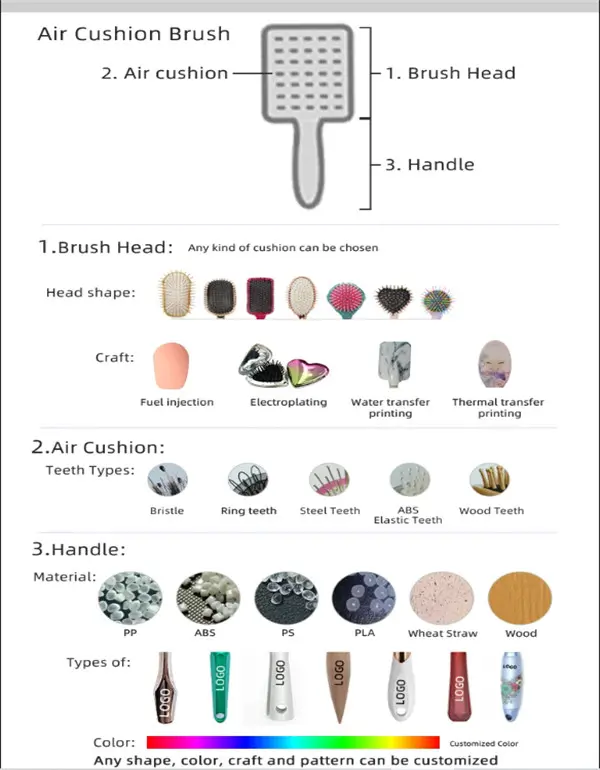
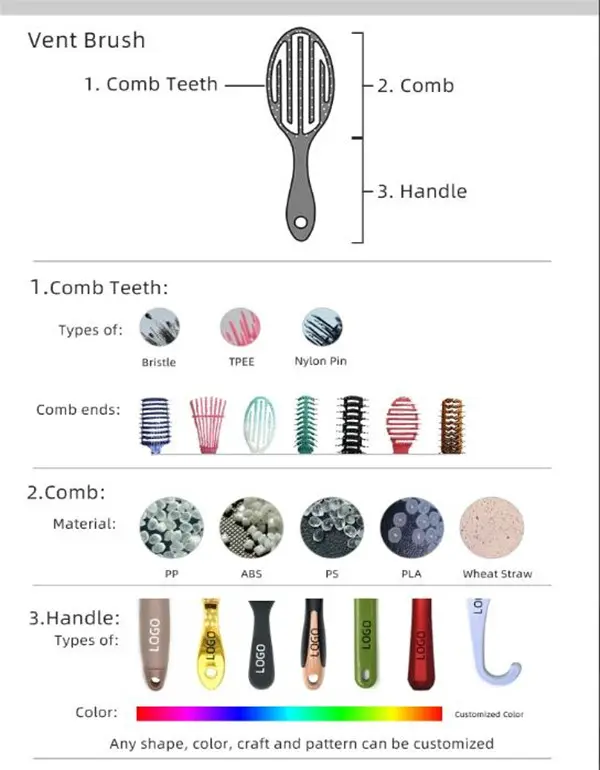
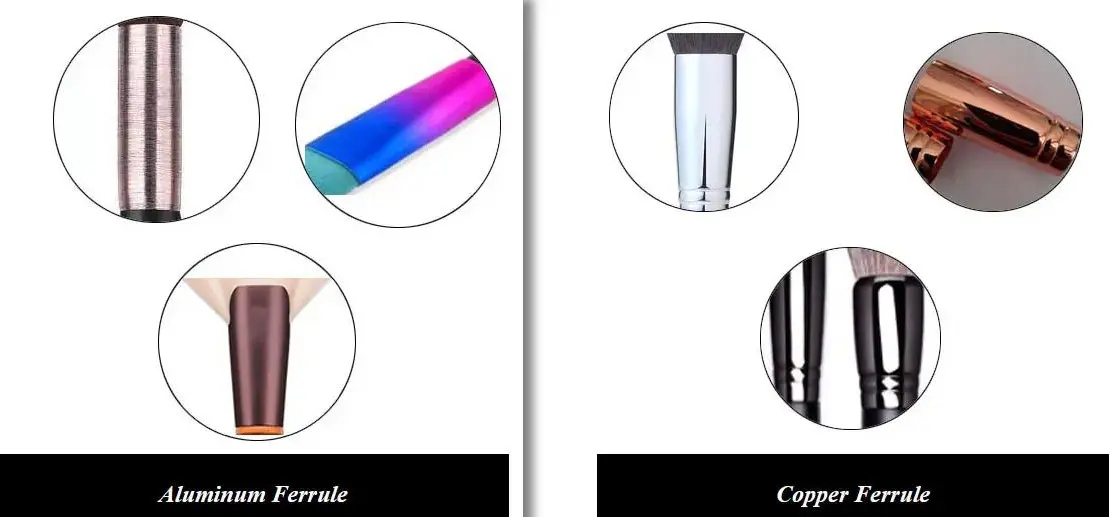
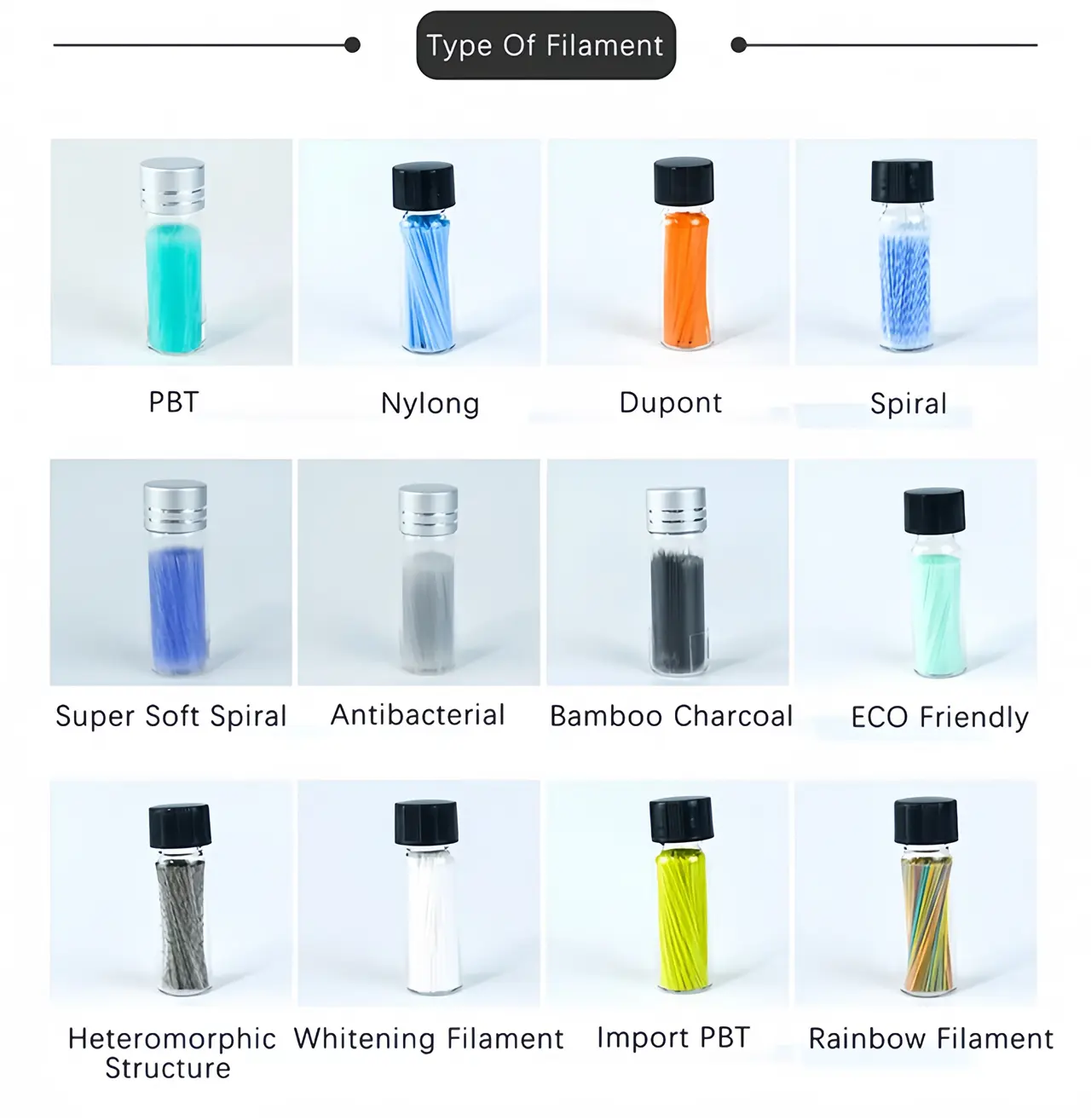
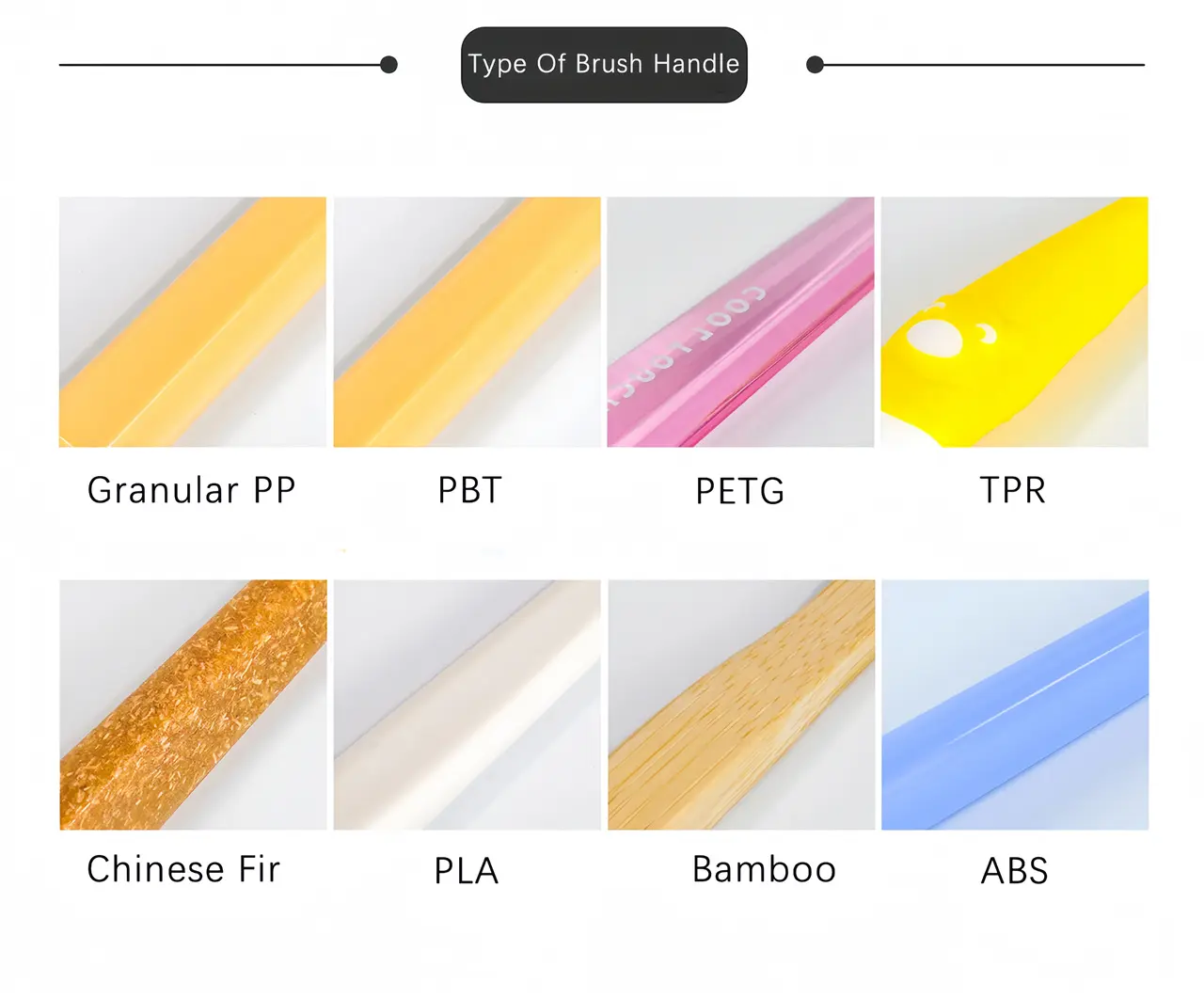
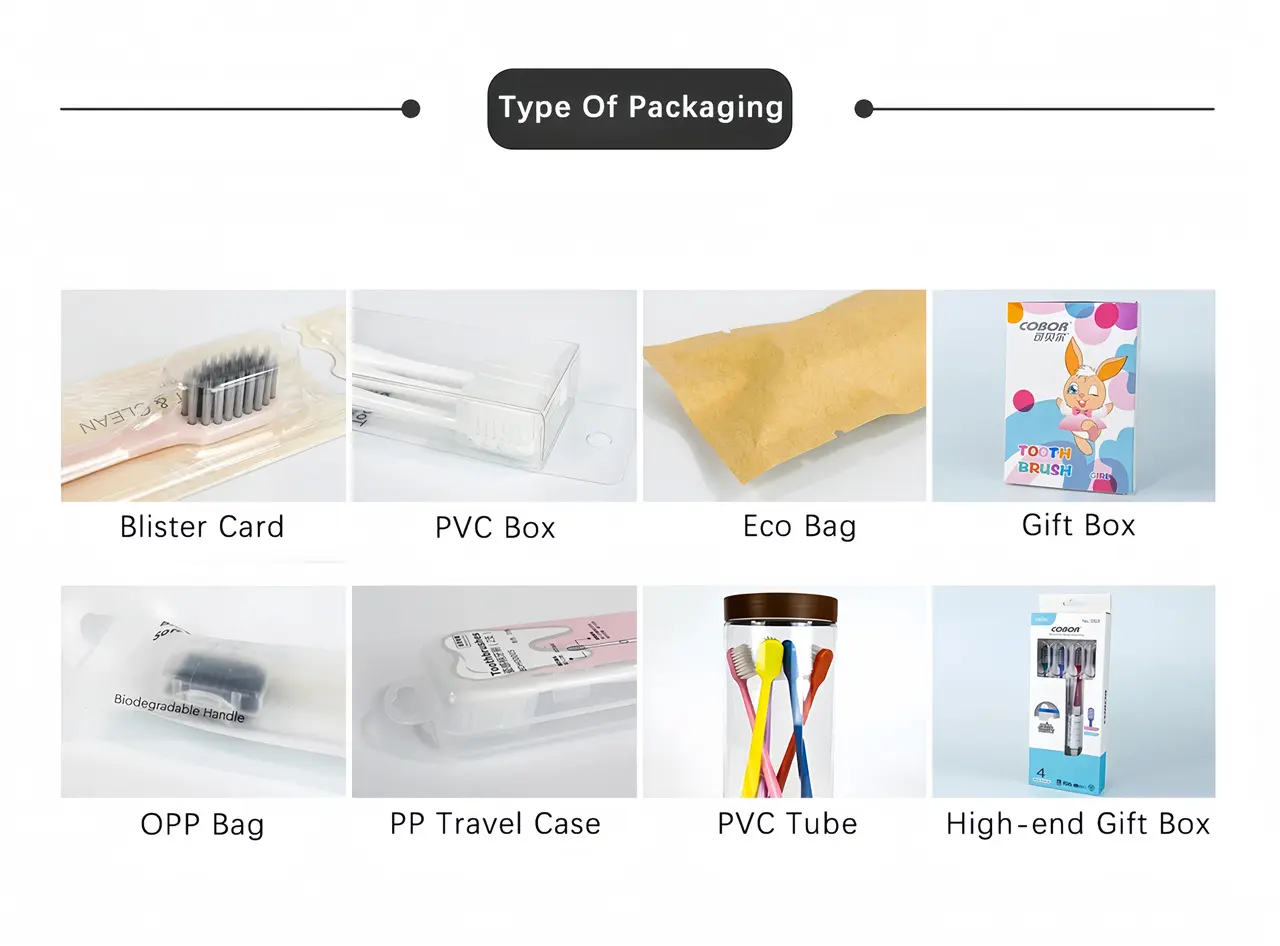
We have begun building production bases in Thailand and Vietnam in 2024 to ensure continuous capacity output regardless of regional tariff policies.
Answering high-intent questions from enterprise cosmetic purchasing managers, logistics directors, and product designers.
Our standard MOQ for fully customized OEM cosmetic applicators, skincare brush components, and custom filaments ranges from 5,000 to 10,000 units per run, depending on tooling requirements. For catalog standard designs requiring custom injection colors or branding print, MOQs can be reduced to 3,000 units.
We perform rigorous compatibility matrix testing. Our PBT and PA612 filaments feature high chemical inertness, resisting degradation from acidic compounds, lipid bases, and standard preservative blends. We customize material formulas to ensure no plasticizing agents leach into the cosmetic formulas during prolonged contact.
Yes. Our factories conform to ISO 9001 and GMPC guidelines. We offer certified biodegradable filaments, FSC-certified organic wood, and recycled PCR plastics. Our supply chain supports carbon-offset tracking and provides material safety data sheets (MSDS) to satisfy strict regulatory reporting requirements in the EU and North America.
Our dual-manufacturing model (China + Vietnam & Thailand) allows global buyers to select the optimal exporting source. By processing components in China and executing final assembly, QA, and export actions via Southeast Asia, buyers can completely avoid punitive trade tariffs (such as Section 301 tariffs in the United States) while maintaining access to advanced Chinese raw material supply chains.
 Jiasheng